Fr. Joseph Fessio Reflects on Pope Leo XIV's Magnifica Humanitas
July 27, 2026
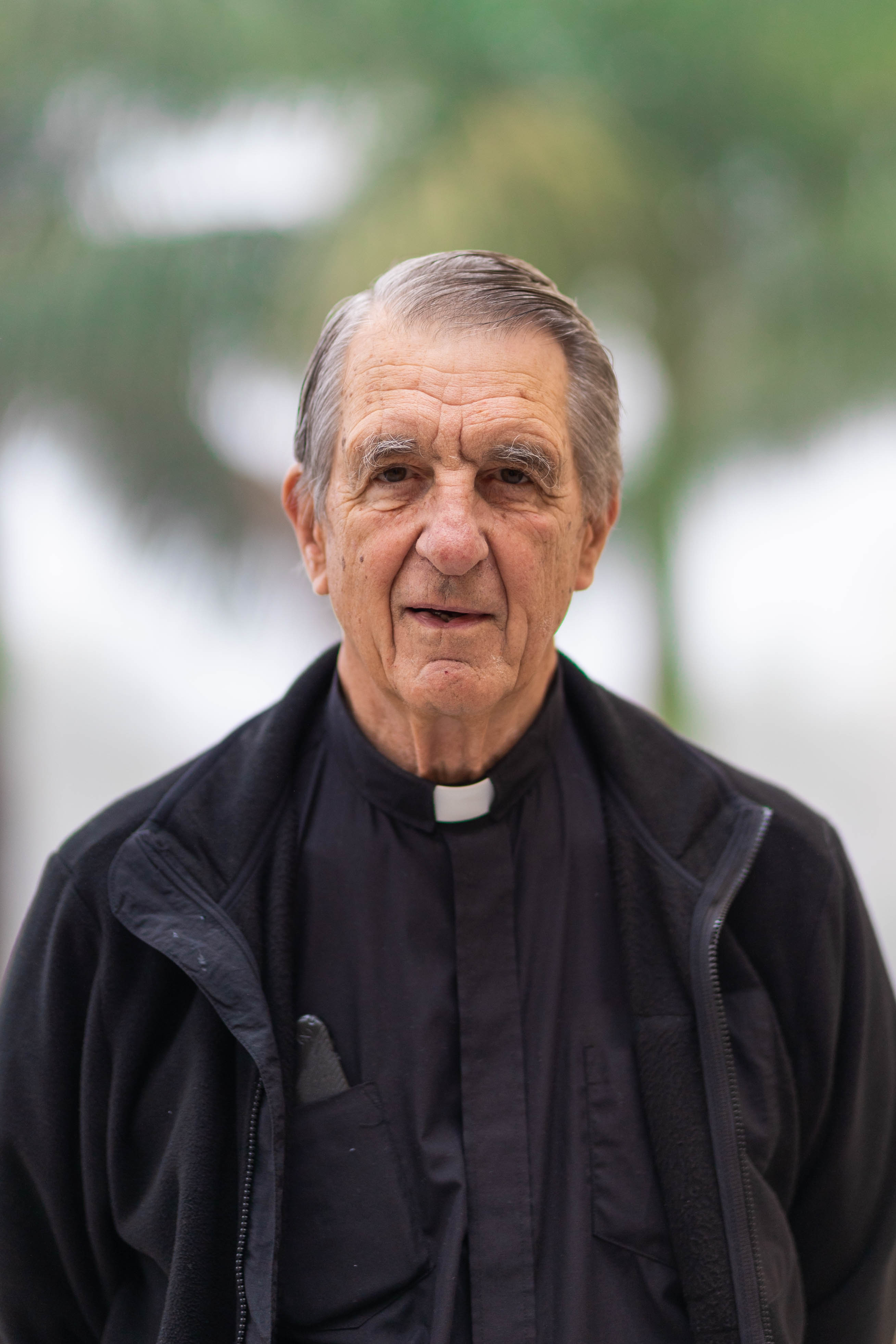
- Drawing from Pope Leo XIV's recent document Magnifica Humanitas, Fr. Fessio explored what it means to remain authentically human in an age of rapidly advancing technology. While acknowledging the remarkable capabilities of artificial intelligence, he reminded listeners that no technology can replace the qualities that define the human person. "AI is our servant, not our master."
- Throughout the presentation, Fr. Fessio emphasized that artificial intelligence is a tool—one created by human beings, trained on human data, and ultimately guided by human choices. While AI can process information with extraordinary speed, it cannot experience love, friendship, suffering, forgiveness, moral responsibility, or the grace that shapes every human life. Reflecting on the Holy Father's teaching, Fr. Fessio highlighted the importance of protecting the primacy of the human person. He noted that technology is never morally neutral because every system reflects the assumptions, priorities, and values of those who design it. For that reason, ethical discernment must accompany innovation, ensuring that technological progress always serves the common good and respects the inherent dignity of every person. Perhaps most importantly, Fr. Fessio reminded the Ave Maria community that our deepest hope has never rested in technological advancement. Human fulfillment is not found in surpassing our limits through machines, but in allowing God to transform us through His grace. As he concluded, Fr. Fessio reflected on one of the document's central themes: while technology can help us accomplish remarkable things, only Christ enables us to transcend suffering, death, and our own limitations. His message beautifully reflects the mission that has guided Ave Maria University since its founding—to educate the whole person through the harmony of faith and reason and to prepare graduates who engage the modern world with wisdom, virtue, and confidence.
- Fr. Fessio's continued presence at Ave Maria University is a reminder that the University's mission remains as relevant today as ever. As new technologies reshape society, Ave Maria continues to provide students with something increasingly rare: the intellectual and spiritual formation to evaluate those technologies through the lens of truth, human dignity, and the Catholic faith. We invite you to watch Fr. Fessio's full presentation and hear his thoughtful reflections on why the future of artificial intelligence must always begin with a proper understanding of the human person.
In a timely presentation grounded in Pope Leo XIV's recent document Magnifica Humanitas, Fr. Joseph Fessio offered the alumni community profound insights into navigating technological advancement while remaining grounded in authentic human dignity. Drawing on the Holy Father's teaching, Fr. Fessio explored what it truly means to be human in an age of artificial intelligence, reminding his audience that while AI possesses remarkable computational power, no machine can replicate the distinctly human experiences that give life meaning: love, friendship, suffering, forgiveness, and the transformative grace of God. His central message resonated throughout: "AI is our servant, not our master."
Fr. Fessio's reflections emphasized a crucial distinction often overlooked in contemporary culture. Artificial intelligence is not an autonomous force but rather a tool created by human beings, trained on human data, and ultimately directed by human choices and values. Because technology is never morally neutral, he explained, every system of artificial intelligence carries within it the assumptions, priorities, and values of those who designed it. This reality demands that we approach technological innovation not with naive enthusiasm but with ethical discernment, ensuring that progress always serves the common good and upholds the inherent dignity of every person.
Perhaps the most challenging and hopeful aspect of Fr. Fessio's presentation was his reminder that human fulfillment has never depended on technological advancement. Drawing from Magnifica Humanitas, he pointed out that our deepest aspirations, to transcend suffering, death, and our limitations, find their true answer not in machines but in Christ Himself, through His grace and redemptive love. In doing so, Fr. Fessio articulated a message that stands at the very heart of Ave Maria University's mission: to form graduates who possess both the intellectual rigor to understand emerging technologies and the spiritual wisdom to evaluate them through the lens of Catholic faith and human dignity.
The presence of Fr. Fessio's thoughtful analysis serves as a timely reminder that Ave Maria's commitment to educating the whole person has never been more essential. As new technologies reshape society, our University continues to provide students with something increasingly precious: the intellectual and spiritual formation to engage the modern world with wisdom, virtue, and confidence. We invite alumni to experience Fr. Fessio's full presentation and discover why any serious conversation about the future of artificial intelligence must begin with a proper understanding of the human person.